Monstera Deliciosa
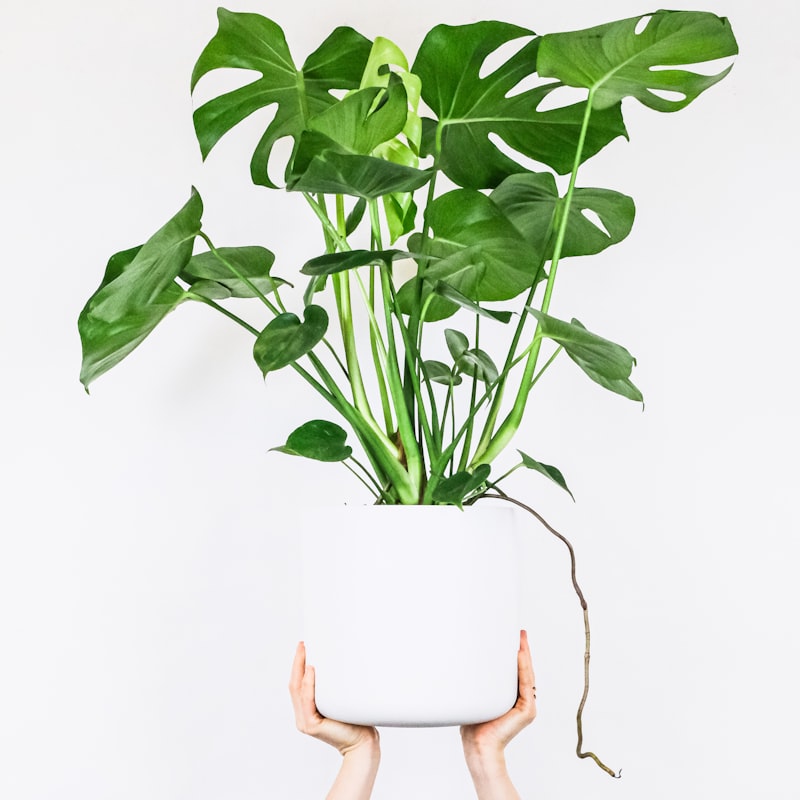
Monstera deliciosa
It actually produces edible fruit when it matures. The fenestrations (those iconic splits and holes) develop with age and better light, so each new leaf ends up more dramatic than the last.
Encyclopedia Botannica is a plant shop and care reference based in Columbus, Ohio. Every plant we sell comes with the information you need to keep it alive: light, water, soil, propagation, all of it, written plainly.
A selection of what's in the shop right now. Stock changes as we propagate more.
Monstera deliciosa
It actually produces edible fruit when it matures. The fenestrations (those iconic splits and holes) develop with age and better light, so each new leaf ends up more dramatic than the last.
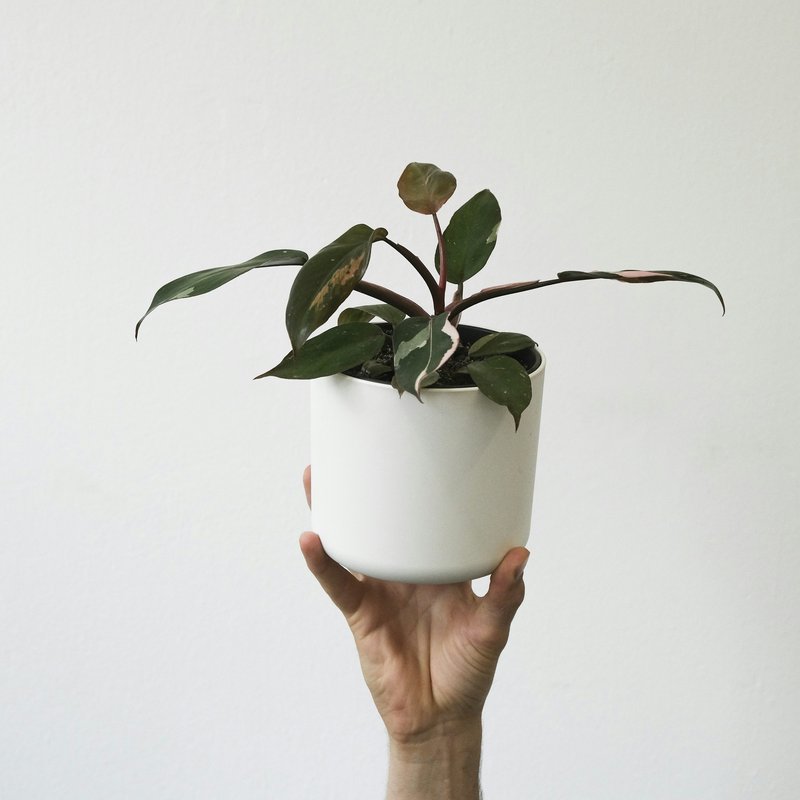
Philodendron erubescens 'Pink Princess'
It's a chimeric mutation, not a hybrid. The variegation varies from plant to plant and leaf to leaf, which is the whole point. No two are alike, and you can't predict what the next leaf will look like.
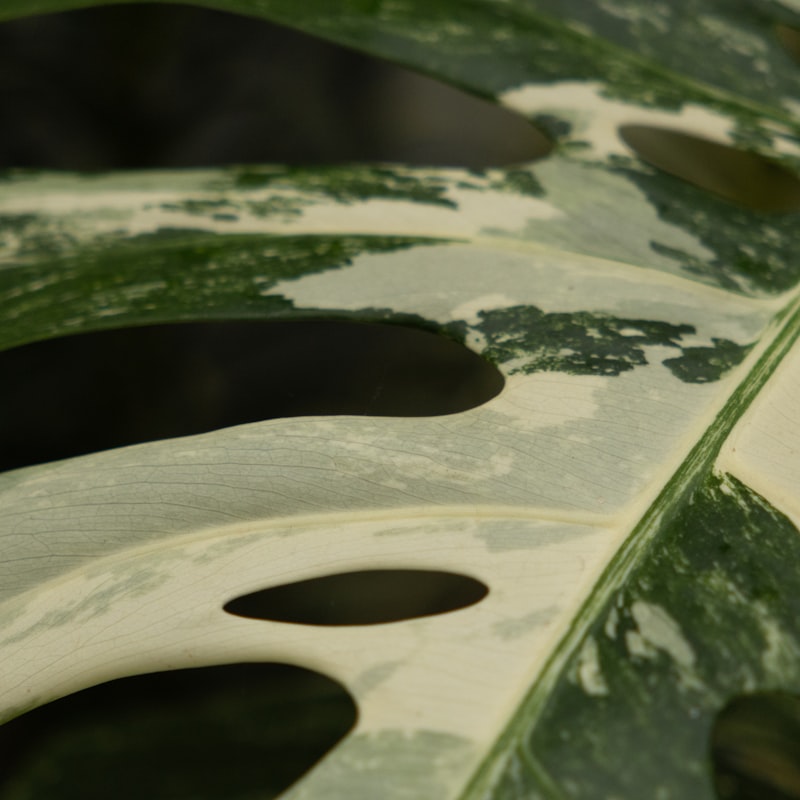
Monstera deliciosa 'White Monster'
The white sections are genetically incapable of photosynthesis. The green sections do all the work, which means this plant actually needs more light than a standard Monstera to stay healthy.
Anthurium magnificum
Dark velvety leaves with white veining that becomes more pronounced as the plant matures. Check the petiole cross-section: it should be four-sided and nearly square, which is how you know you have the real thing.
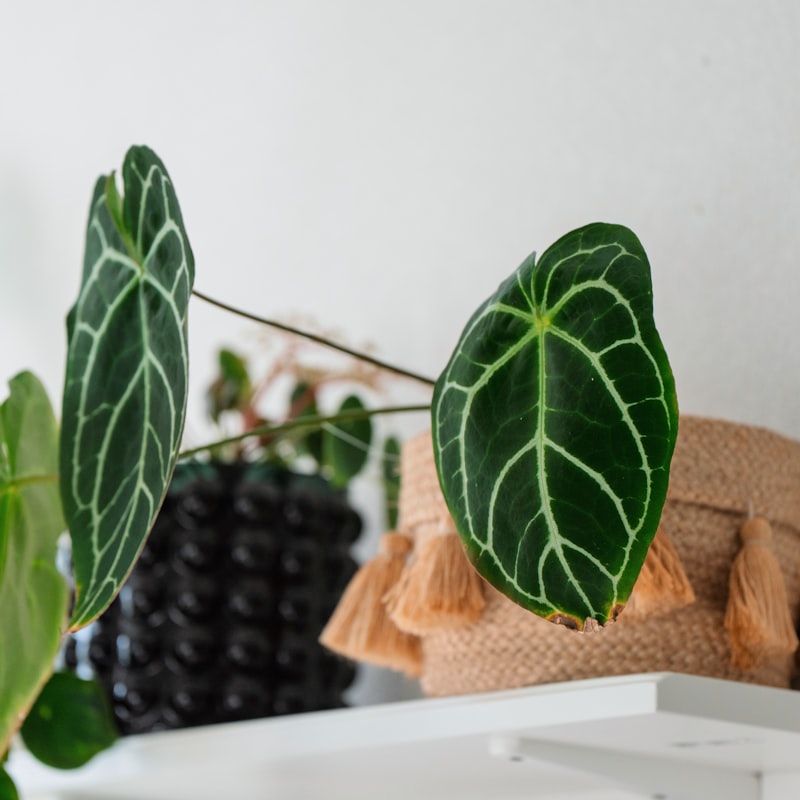
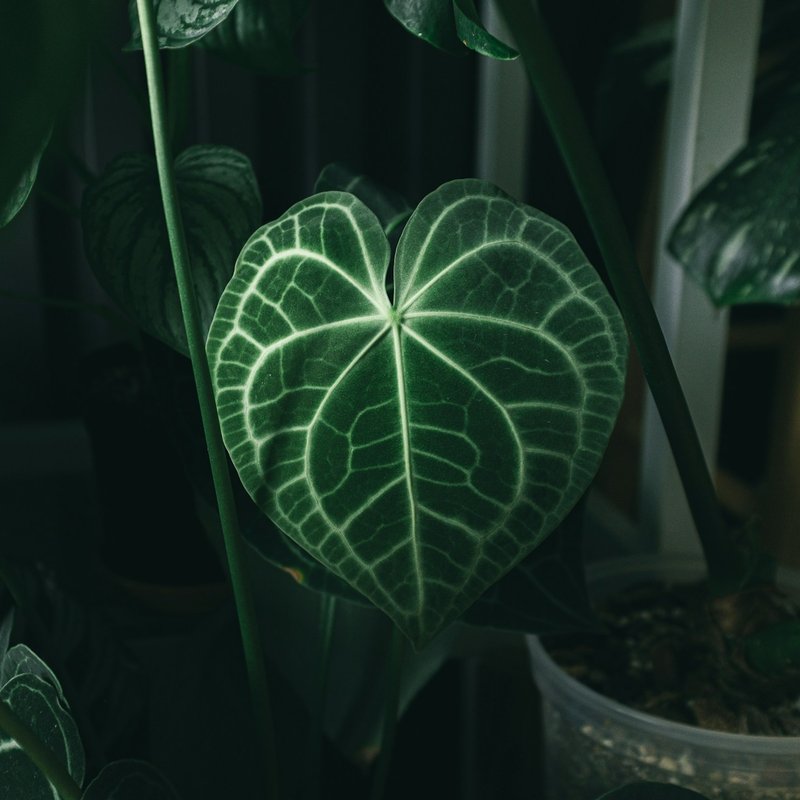
Anthurium clarinervium
Grows on limestone outcrops in Chiapas, Mexico, not in forest soil. Its rock-dwelling origins mean it handles drought better than most aroids and prefers fast-draining mix.
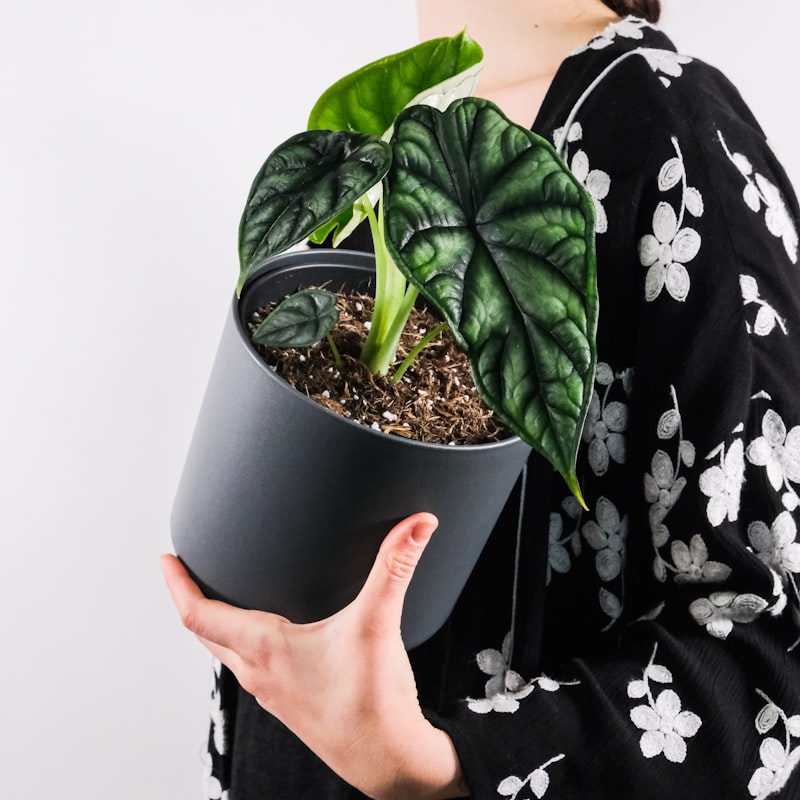
Alocasia baginda 'Dragon Scale'
The leaf surface has genuine raised texture that looks like reptile scales. Originates from Borneo limestone forest understory, which informs its soil and humidity needs.