
Anthurium Magnificum
Anthurium magnificum
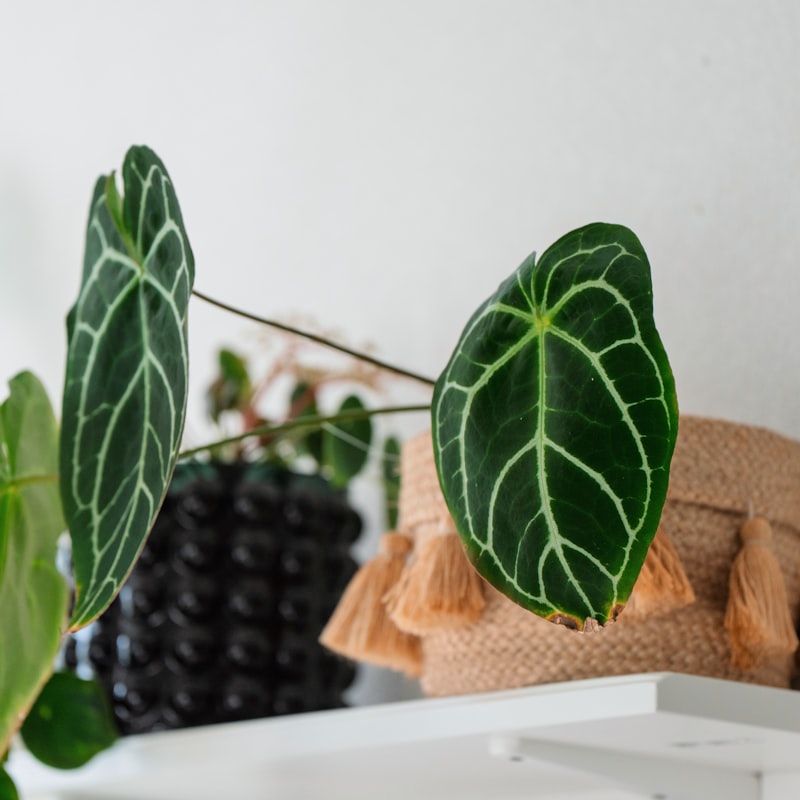
Dark velvety leaves with white veining that gets bolder as the plant matures. Pro tip: check the petiole. If it's square-shaped, it's a real magnificum. Round? That's probably something else.
Buy this plant $55 In Stock- Light
- Bright Indirect
- Humidity
- 65-80%
- Temperature
- 65-82°F
Light Requirements
Bright Indirect. Put it 3-5 feet from a south or east-facing window, out of direct sun. Direct afternoon sun will scorch the leaves!
Watering
Keep the soil lightly moist during growing season, but never soggy. The top inch should feel barely damp, not wet. Ease off in cooler months. Use filtered or room-temp water because cold tap water shocks the roots.
Humidity
Target humidity: 65-80%. Get a humidifier. Seriously! Pebble trays and misting barely make a dent compared to even a cheap ultrasonic humidifier placed near the plant.
Temperature
Keep it between 65-82°F. Watch out for cold drafts from windows in winter and hot air blowing from vents. Most tropical houseplants start struggling below 55°F, and frost will kill them.
Soil and Potting
Chunky and well-aerated: roughly equal parts orchid bark, perlite, and potting soil. Some people add sphagnum moss for extra moisture retention. Target pH 5.5-6.5.
Propagation
Take a stem cutting with a node and a leaf or two. Let the cut dry for 24 hours, dab rooting hormone on the node, and stick it in a mix of sphagnum moss and perlite. Keep it moist. Division during repotting works great too. Just make sure each piece has 2-3 leaves and healthy roots.
Common Problems
Root rot is the most common issue, and it's always from overwatering. Brown leaf edges? Could be low humidity or water stress. Growth stalled? Check if the soil is compacted, if the room is too cool, or if it's getting enough light.
Worth Knowing
- This plant was first described in 1865 and became an immediate hit in Victorian-era European hothouses. People were growing it 160 years ago for the exact same reasons we love it today. Some things never go out of style!
- The cheat code for identifying a real magnificum: check the petiole (leaf stem). Magnificum has a distinctly square, four-sided petiole. Crystallinum and clarinervium? Round. If the stem is round, you've got a different plant.
- A lot of plants labeled 'magnificum' in shops are actually hybrids with A. crystallinum, or just crystallinum with the wrong tag. The hybrid is everywhere. If the price seems too good to be true for a magnificum, it probably is.
Toxicity
Toxic to cats, dogs, and humans. Contains calcium oxalate crystals causing mouth irritation, throat swelling, and stomach upset if ingested.