Nephthytis
Syngonium podophyllum
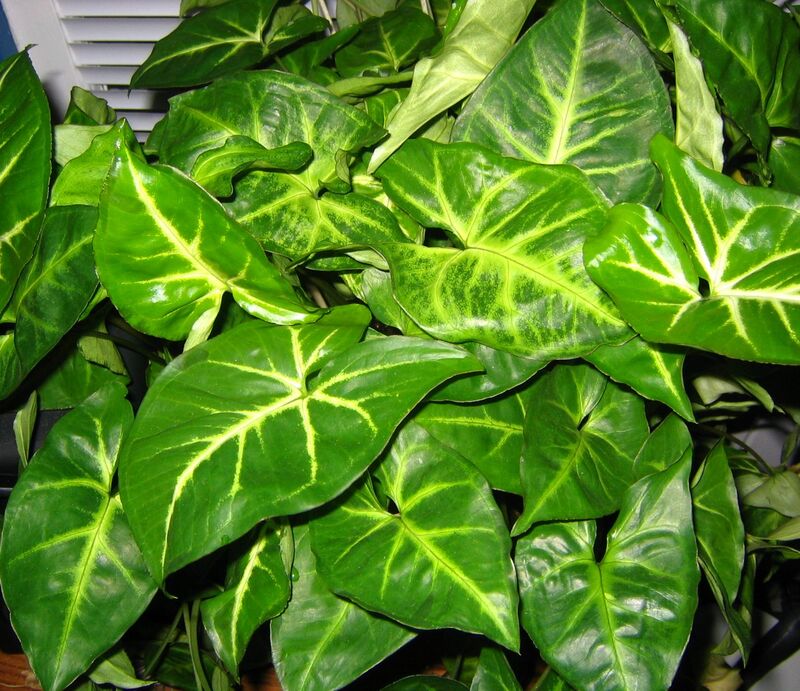
Syngonium podophyllum is a fast-growing tropical vine that starts out as a tidy, upright plant with arrowhead-shaped leaves and gradually matures into a trailing or climbing vine with dramatically lobed, multi-fingered foliage — meaning your plant will look noticeably different in a few years than it does today. Foliage comes in a wide range of cultivars including solid green, variegated white, pink, and gold forms, all with the same easy-care temperament. Young plants are well-suited to shelves and tabletops; mature plants appreciate a trellis or a spot to trail.
How to grow Nephthytis
bright indirect light (3-6 feet
Water when the top inch of soil dries out.
60%
18-27°C
Light, well-draining aroid mix.
Stem cuttings with at least
Root rot from overwatering.
Fun Facts
The leaves of Syngonium podophyllum change shape dramatically as the plant ages: juvenile leaves are simple arrowhead (sagittate) shapes, middle-aged leaves develop lobes, and mature leaves become fully palmate with 5-11 finger-like segments. A cutting from a mature plant and its parent can look so different that people sometimes think they are entirely different species.
Toxic to pets
Toxic to dogs, cats, and horses according to the ASPCA. Contains insoluble calcium oxalate crystals (raphides) that cause oral irritation, pain and swelling of the mouth, tongue and lips, excessive drooling, vomiting, and difficulty swallowing. Keep out of reach of pets and children.
Sources
- Toxic and Non-toxic Plants: Nephthytis | ASPCA (opens in new tab)ASPCA
- Syngonium podophyllum - Missouri Botanical Garden Plant Finder (opens in new tab)Botanical Garden
- Arrowhead plant care & info | Syngonium podophyllum - Houseplant Central (opens in new tab)Reference
- Arrowhead plant care & info | Syngonium podophyllum - Houseplant Central (opens in new tab)Reference
- Syngonium podophyllum - Missouri Botanical Garden Plant Finder (opens in new tab)Reference
- Syngonium podophyllum - Wikipedia (opens in new tab)Reference
- Syngonium podophyllum - Wikipedia (opens in new tab)Reference
- Syngonium podophyllum | North Carolina Extension Gardener Plant Toolbox (opens in new tab)Reference
- Toxic and Non-toxic Plants: Nephthytis | ASPCA (opens in new tab)Reference
- Syngonium podophyllum | North Carolina Extension Gardener Plant Toolbox (opens in new tab)University Extension