Selloum
Philodendron selloum
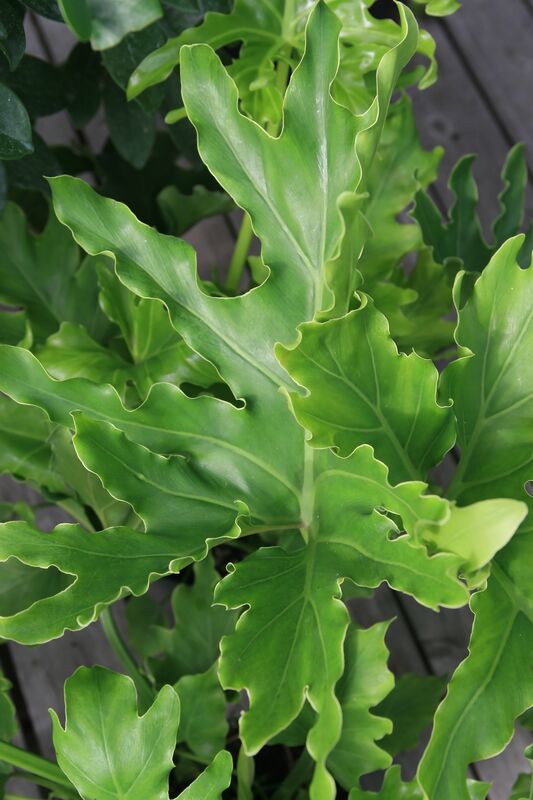
Philodendron selloum is the bold, architectural choice in the Philodendron lineup: a non-climbing, self-heading plant that spreads outward rather than upward, producing deeply lobed, glossy dark green leaves that can reach 3 feet long on mature plants. It develops a thick, woody trunk-like base with age and the characteristic 'eye-drop' shaped leaf scars that make older specimens look genuinely sculptural. This is the plant people buy when they want to fill a corner decisively.
How to grow Selloum
bright indirect light (3-6 feet
Keep soil consistently moist but not waterlogged.
60-80%
65-85°F
Rich, well-draining, aerated potting mix.
Stem cuttings with at least
Spider mites and mealybugs are common pests.
Fun Facts
In 2018, DNA analysis prompted scientists to reclassify this plant from Philodendron into a new genus called Thaumatophyllum, meaning 'wonder leaf' — though as of 2025, Plants of the World Online and other authorities still treat Thaumatophyllum as a synonym of Philodendron, so the debate is not fully settled.
Toxic to pets
Toxic to humans, dogs, cats, and horses per ASPCA (listed under 'Tree Philodendron' and 'Lacy Tree Philodendron'). Contains insoluble calcium oxalate crystals causing oral irritation, swelling, drooling, vomiting, and difficulty swallowing. Wear gloves when handling to avoid skin irritation from the sap.
Sources
- Philodendron Selloum How to Grow and Care Guide - Houseplant 411 (opens in new tab)Reference
- Philodendron Selloum How to Grow and Care Guide — Houseplant 411 (opens in new tab)Reference
- Philodendron bipinnatifidum - Wikipedia (opens in new tab)Reference
- Philodendron bipinnatifidum — Wikipedia (opens in new tab)Reference
- The Complete Philodendron Selloum Care Guide - Keep Your Plants Alive (opens in new tab)Reference
- The Complete Philodendron Selloum Care Guide — Keep Your Plants Alive (opens in new tab)Reference
- Tree Philodendron - ASPCA Toxic and Non-Toxic Plants (opens in new tab)Reference
- Tree Philodendron — ASPCA Toxic and Non-Toxic Plants (opens in new tab)Reference