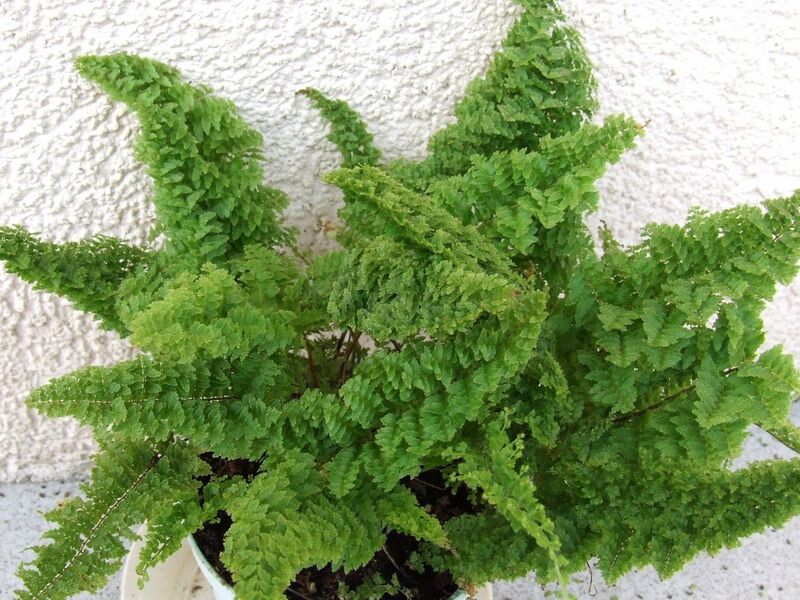
Boston Fern
Nephrolepis exaltata
You are growing one of the most recognizable houseplants on the planet: a lush, arching cascade of bright green fronds lined with neat pairs of leaflets that can span up to 5 feet across in good conditions. The Boston Fern has been a staple of Victorian parlors and modern porches alike, and while it rewards humidity and consistent moisture with gorgeous growth, it will remind you loudly when it is unhappy by dropping leaflets everywhere. Get the humidity right and most other problems solve themselves.
How to grow Boston Fern
Medium indirect light is ideal
Keep the soil consistently moist
50-80%
60-75 degrees F (15-24 C).
Light, well-drained potting mix rich
Divide established clumps in spring,
Brown crispy fronds: low humidity
Fun Facts
The 'Boston Fern' is named after Boston, Massachusetts -- in the 1890s, a single plant in a shipment of ferns arriving from Philadelphia was spotted as something special, cultivated by Boston florists, and quickly became a nationwide sensation. The name stuck.
Pet safe
Non-toxic to dogs and cats according to the ASPCA. One of the most reliably pet-safe popular houseplants.
Sources
- Boston Fern - ASPCA Toxic and Non-Toxic Plants (opens in new tab)ASPCA
- Boston Fern - ASPCA Toxic and Non-Toxic Plants (opens in new tab)ASPCA
- Growing Boston Fern: How to Care for Your Nephrolepis Exaltata - BBC Gardeners World Magazine (opens in new tab)Botanical Garden
- Boston Fern (Nephrolepis Exaltata) 101 Care and Growth Guide - Mr. Houseplant (opens in new tab)Reference
- Boston Fern (Nephrolepis Exaltata) 101 Care and Growth Guide - Mr. Houseplant (opens in new tab)Reference
- Growing Boston Fern: How to Care for Your Nephrolepis Exaltata - BBC Gardeners World Magazine (opens in new tab)Reference
- Nephrolepis exaltata (Boston Fern) - Gardenia.net (opens in new tab)Reference
- Nephrolepis exaltata (Boston Fern) - Gardenia.net (opens in new tab)Reference