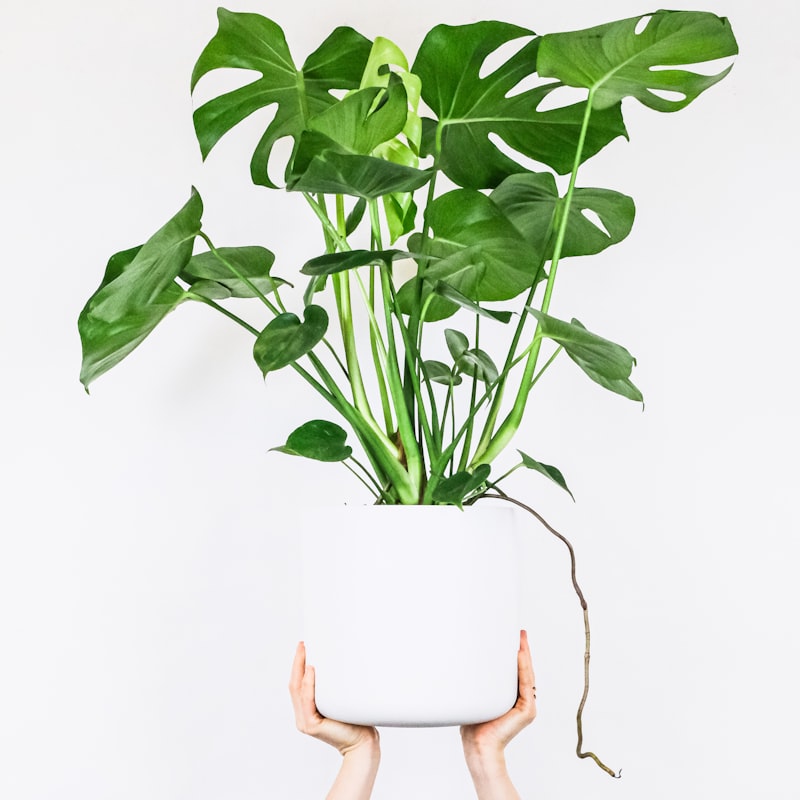
Monstera Deliciosa
Monstera deliciosa
Yes, it actually produces edible fruit! The holes in the leaves develop with age and light exposure, and each new leaf comes out more dramatic than the last.
Buy This Plant - $28.00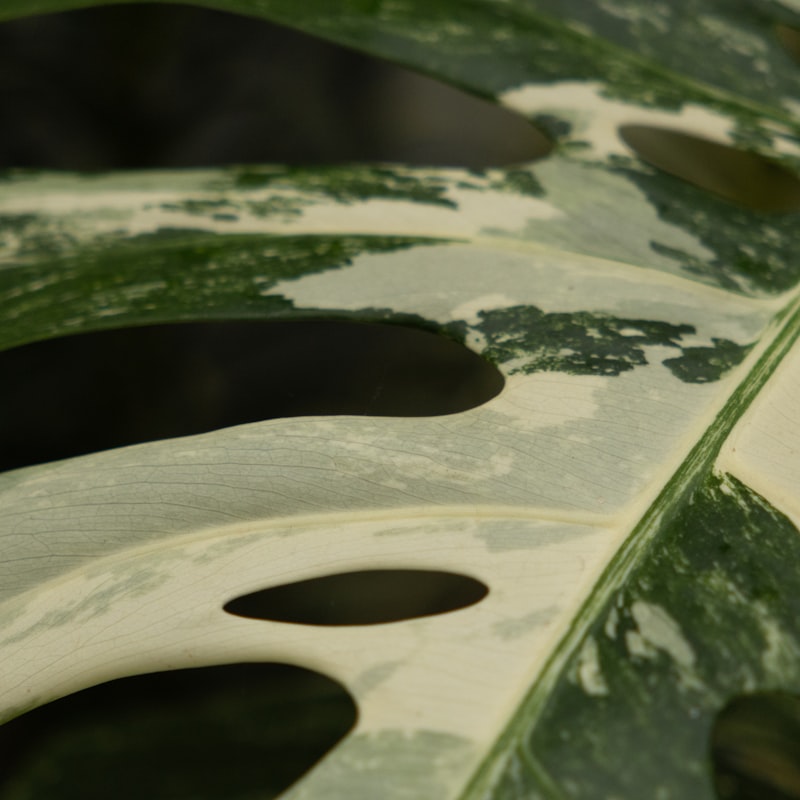
How to grow Monstera Deliciosa
Bright Indirect
Stick your finger 2-3 inches into the soil.
40-60%
65-85°F
Equal parts potting soil, orchid
Find a node (the little
Yellow leaves?
Fun Facts
The fruit is real and actually edible when fully ripe! Tastes like a mix of pineapple, banana, and passionfruit. But do not eat it unripe. It's packed with calcium oxalate crystals that will make your mouth feel like you chewed on fiberglass.
The variegation is a true genetic chimeric mutation, not caused by a virus. That's why you have to propagate from variegated stems to get variegated babies. It's baked into the DNA of those specific cells!
Baby Monsteras in the wild grow toward darkness, not light. They're hunting for a tree trunk to climb. Once they find one, they flip direction and head toward the sun. No other common houseplant does this!
These sold for thousands during the COVID plant boom. Then tissue culture labs figured out mass production, and prices cratered. Plants that went for $3,000 in 2021 now sell for under $100. That's one of the fastest price collapses in houseplant history.
Nobody actually knows why the leaves have holes. The leading theories: letting light reach lower leaves, reducing wind damage in storms, and mimicking insect damage so herbivores think the plant's already been eaten. Botanists are still arguing about it.
Plants with more than 50% white per leaf look incredible but tend to struggle long-term. Those white sections are dead weight. They can't produce energy, and the green parts can't always keep up. More white doesn't always mean better!
Toxic to pets
Toxic to cats, dogs, and humans. The calcium oxalate crystals cause mouth irritation and throat swelling if chewed. Most pets learn their lesson after one taste, but keep it out of reach of the curious ones.