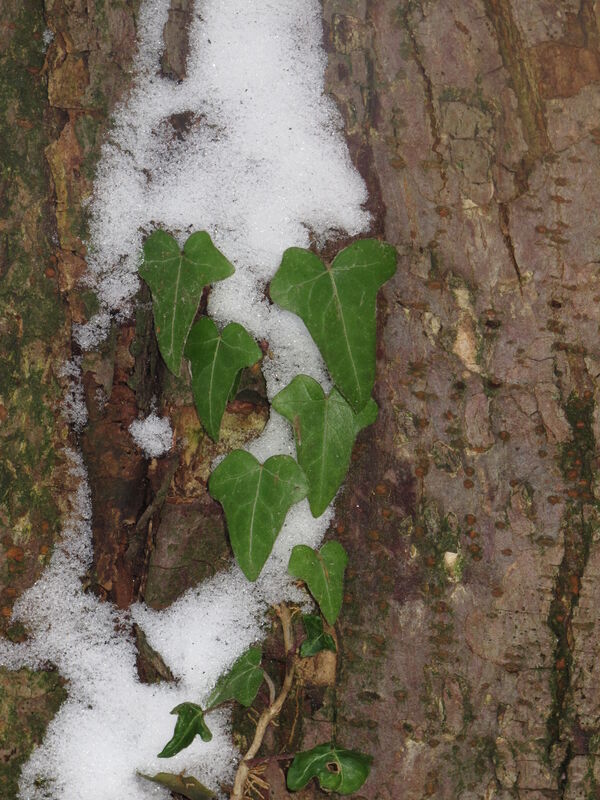
English Ivy
Hedera helix
Hedera helix is one of the most recognizable plants in the world, with its distinctive three-to-five-lobed leaves clinging to walls, trailing from shelves, and draping over just about any surface it can reach. Indoors it grows happily in cooler conditions that most tropical houseplants find uncomfortable, making it useful for hallways, offices, and north-facing rooms. Your main job is keeping it from drying out completely and watching for spider mites, which seem to regard English Ivy as an all-inclusive resort.
How to grow English Ivy
Prefers bright indirect light (3-6
Keep soil evenly moist but
40-60%
50-70°F
Standard well-draining potting mix.
Easy from stem cuttings rooted
Spider mites, mealybugs, scale, and
Fun Facts
English Ivy was included in NASA's 1989 Clean Air Study and was found to filter benzene, formaldehyde, xylene, toluene, and trichloroethylene from indoor air, though how much it actually improves air quality in a ventilated room remains debated.
Toxic to pets
Toxic to cats, dogs, and horses. Toxic principle is triterpenoid saponins (hederagenin). Foliage is more toxic than berries. Symptoms include vomiting, abdominal pain, excessive drooling, and diarrhea. Sap causes dermatitis in sensitive people. Confirmed toxic by ASPCA.
Sources
- English Ivy - ASPCA Toxic and Non-Toxic Plants (opens in new tab)ASPCA
- English Ivy - ASPCA Toxic and Non-Toxic Plants (opens in new tab)Reference
- English Ivy - Invasive Plant Atlas of the United States (opens in new tab)Reference
- English Ivy Plant Care & Growing Guide - Healthy Houseplants (opens in new tab)Reference
- English Ivy Plant Care & Growing Guide - Healthy Houseplants (opens in new tab)Reference
- Hedera helix Care Indoors - Home Plants Guide (opens in new tab)Reference
- Hedera helix Care Indoors - Home Plants Guide (opens in new tab)Reference
- English Ivy - Invasive Plant Atlas of the United States (opens in new tab)Peer-Reviewed