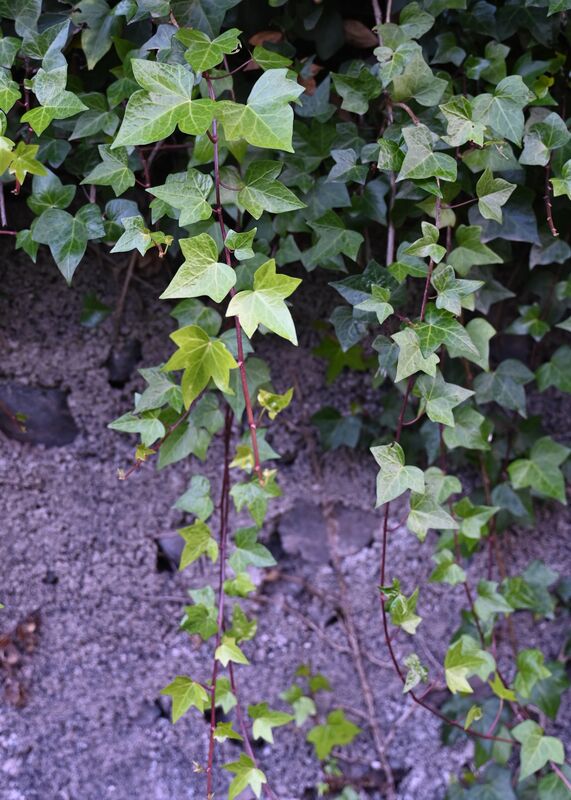
Algerian Ivy
Hedera canariensis
Hedera canariensis is a vigorous evergreen climbing vine with large, glossy, dark-green leaves that can reach 8 inches across, with reddish petioles and stems that distinguish it from its English cousin. It climbs using aerial rootlets, works beautifully as a trailing houseplant, and grows considerably faster than most ivies in warm conditions. You get a lush, tropical presence that is easy to maintain indoors, as long as you keep it away from pets and small children.
How to grow Algerian Ivy
Tolerates deep shade to partial
Water when the top inch
40-60%
50-70°F
Tolerates a wide range of
Very easy from 4-6 inch
Spider mites, aphids, scale, and
Fun Facts
Hedera canariensis is thought to have spread from the Canary Islands to mainland Africa carried by finches, and can now be found on nearly every continent as a garden and houseplant.
Toxic to pets
Toxic to cats, dogs, horses, and humans. All parts contain triterpenoid saponins and polyacetylene compounds. Ingestion causes vomiting, diarrhea, drooling, and abdominal pain. Sap can cause contact dermatitis. Listed as toxic by the ASPCA.
Sources
- Algerian Ivy Care Guide - Healthy Houseplants (opens in new tab)Reference
- Algerian Ivy Care Guide - Healthy Houseplants (opens in new tab)Reference
- Hedera canariensis - NC State Extension Gardener Plant Toolbox (opens in new tab)Reference
- Hedera canariensis - Oregon State University Landscape Plants (opens in new tab)Reference
- Hedera canariensis - Wikipedia (opens in new tab)Reference
- Hedera canariensis - Wikipedia (opens in new tab)Reference
- Hedera canariensis - NC State Extension Gardener Plant Toolbox (opens in new tab)University Extension
- Hedera canariensis - Oregon State University Landscape Plants (opens in new tab)University Extension