Molded Wax
Echeveria agavoides
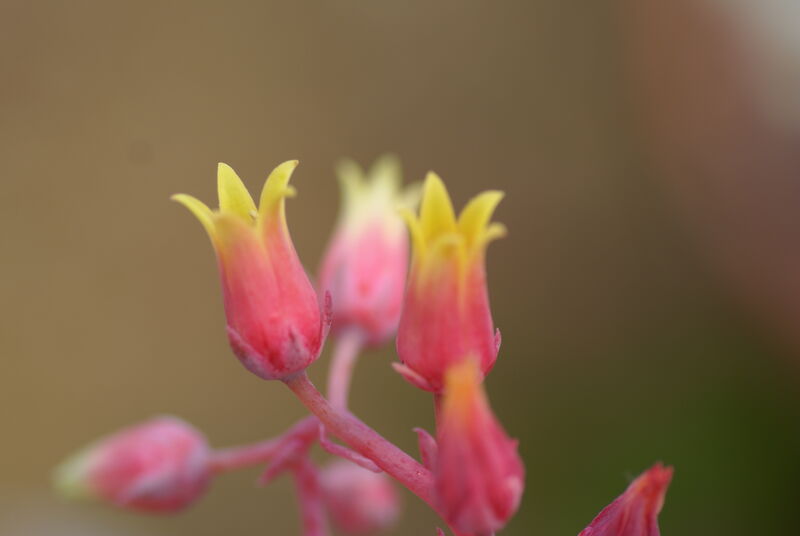
Echeveria agavoides is a stemless succulent that forms a tight, architectural rosette of thick, triangular apple-green leaves with reddish tips that look almost exactly like a miniature agave — hence the name. Your plant will flush deeper red at the leaf margins when you give it plenty of direct sun, making it one of the more dramatic color-show succulents you can grow. In late spring it sends up slender arching stalks bearing pinkish-red, yellow-tipped flowers that hummingbirds find quite hard to resist.
How to grow Molded Wax
full sun (6 or more
Use the soak-and-dry method: water
40-60%
50-65°F
Well-draining cactus or succulent mix.
Leaf cuttings, stem cuttings, or offsets.
Mealybugs and aphids are the main pest concerns.
Fun Facts
The genus name Echeveria honors Atanasio Echeverria, an 18th-century Mexican botanical artist who made some of the first detailed drawings of this plant around 1787.
Pet safe
Non-toxic to humans, cats, and dogs. The sap can occasionally cause mild skin irritation in sensitive individuals, so wash your hands after handling.
Sources
- Echeveria agavoides | RHS (opens in new tab)Botanical Garden
- Echeveria agavoides | RHS (opens in new tab)Botanical Garden
- Echeveria agavoides (Molded Wax Agave) - World of Succulents (opens in new tab)Reference
- Echeveria agavoides (Molded Wax Agave) - World of Succulents (opens in new tab)Reference
- Echeveria agavoides - Wikipedia (opens in new tab)Reference
- Echeveria agavoides - Wikipedia (opens in new tab)Reference
- How to Plant, Grow, and Care for Echeveria Agavoides - Epic Gardening (opens in new tab)Reference
- How to Plant, Grow, and Care for Echeveria Agavoides - Epic Gardening (opens in new tab)Reference