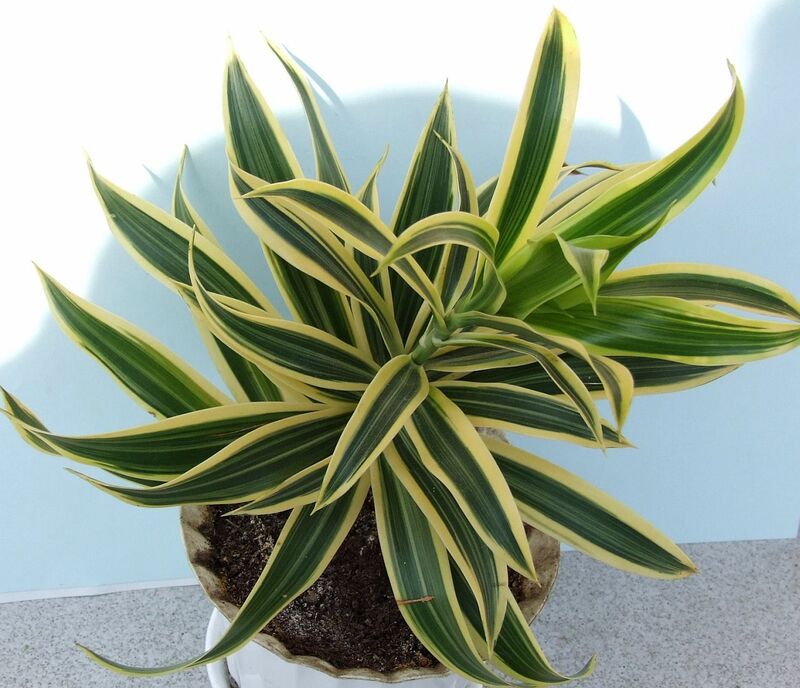
Corn Plant
Dracaena fragrans
The Corn Plant is a slow-growing African native that has been a staple houseplant in Europe since the 1800s, and for good reason — it tolerates low light, occasional neglect, and inconsistent watering better than most. Its tall, cane-like stems topped with arching green and yellow-striped leaves do genuinely resemble a maize stalk, which explains the name. If you're lucky enough to have one bloom indoors, prepare for a surprisingly powerful sweet fragrance at night.
How to grow Corn Plant
Prefers bright indirect light (3-6
Water when the top inch
Tolerates average indoor humidity.
60-75°F
Loose, well-draining potting mix rich
Stem tip cuttings are reliable and easy.
Root rot from overwatering.
Fun Facts
When Dracaena fragrans does bloom indoors — which can take a decade of waiting with no warning — it produces clusters of small white flowers on long panicles with an intensely sweet nocturnal fragrance that some people find overwhelming enough to remove the flowers.
Toxic to pets
Toxic to dogs, cats, and horses per ASPCA. Contains saponins throughout all plant parts. Symptoms include vomiting (occasionally with blood), depression, loss of appetite, drooling, and dilated pupils in cats. Contact ASPCA Poison Control at (888) 426-4435 if ingested by a pet.
Sources
- Dracaena fragrans | Missouri Botanical Garden Plant Finder (opens in new tab)Botanical Garden
- Dracaena fragrans | Missouri Botanical Garden Plant Finder (opens in new tab)Botanical Garden
- Dracaena Fragrans (Corn Plant) Guide | OurHouseplants (opens in new tab)Reference
- Dracaena Fragrans (Corn Plant) Guide | OurHouseplants (opens in new tab)Reference
- Dracaena fragrans | Wikipedia (opens in new tab)Reference
- Dracaena fragrans | Wikipedia (opens in new tab)Reference
- Dracaena | ASPCA Toxic and Non-Toxic Plants (opens in new tab)Reference
- Dracaena | ASPCA Toxic and Non-Toxic Plants (opens in new tab)Reference
- Dracaena fragrans | NC State Extension Gardener Plant Toolbox (opens in new tab)University Extension
- Dracaena fragrans | NC State Extension Gardener Plant Toolbox (opens in new tab)University Extension