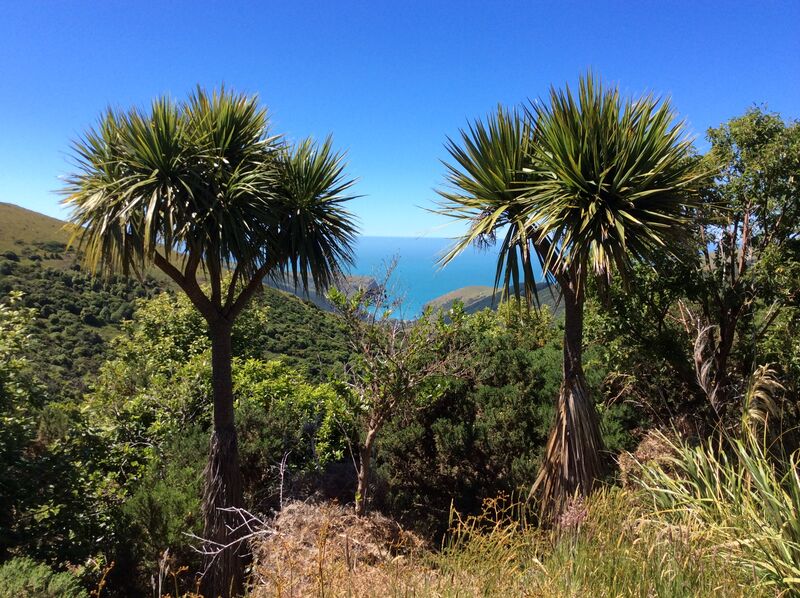
Cordyline australis
Cordyline australis
Cordyline australis is a dramatic, architecturally striking plant that is one of the most iconic trees in New Zealand, and it makes an equally bold statement in a container or garden bed. Young plants form a dense fountain of long, sword-like leaves; as they mature they develop a stout trunk topped with tufts of foliage that in the right light genuinely looks like a palm tree. It is hardy, adaptable, and far more tolerant of wind and cold than it looks.
How to grow Cordyline australis
full sun (6 or more
Consistently moist soil during the
60-80%
60-75°F
Sandy, airy, well-draining soil (equal
From seeds (slow, years to
Spider mites are the main
Fun Facts
The Maori name for this tree is ti kouka, and it was a critical food source for Maori in the South Island of New Zealand, where kumara (sweet potato) could not be grown due to the cold climate. The starchy roots were steam-cooked in large earth ovens, and the blanched heart shoot reportedly tasted like artichoke.
Toxic to pets
Contains saponins; considered toxic to cats and dogs. Ingestion can cause vomiting, drooling, and other gastrointestinal symptoms. Keep away from pets. Not considered significantly harmful to humans.
Sources
- How to grow cordyline - RHS Gardening (opens in new tab)Botanical Garden
- How to grow cordyline - RHS Gardening (opens in new tab)Botanical Garden
- Cabbage Tree (Cordyline australis): New Zealand's Iconic Flora (opens in new tab)Reference
- Cabbage Tree (Cordyline australis): New Zealand's Iconic Flora (opens in new tab)Reference
- Cabbage tree / ti kouka - New Zealand Department of Conservation (opens in new tab)Reference
- Cabbage tree / ti kouka - New Zealand Department of Conservation (opens in new tab)Reference
- Cordyline australis - Wikipedia (opens in new tab)Reference
- Cordyline australis - Wikipedia (opens in new tab)Reference