Clerodendrum thomsoniae
Clerodendrum thomsoniae
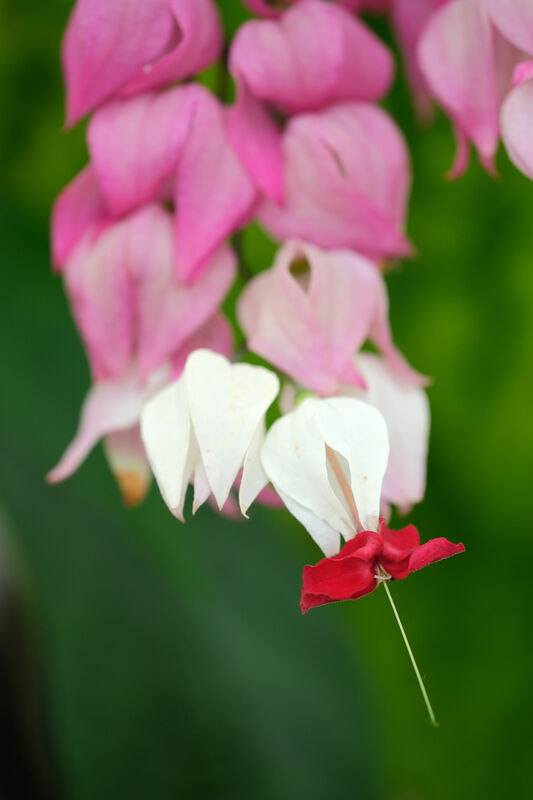
Bleeding heart vine produces one of the most visually striking flower combinations in the houseplant world — clusters of inflated, balloon-like white calyxes from which vivid crimson petals emerge with long protruding stamens, creating a two-tone contrast that genuinely stops people mid-sentence. It is a twining, evergreen vine that performs best with a trellis or support and rewards you with multiple bloom periods through the warmer months if you prune it back after each flush. The name honors Dr. Thomas Thomson, a Scottish botanist who led the Calcutta Botanic Garden in the 1850s — many Himalayan plant names carry his stamp.
How to grow Clerodendrum thomsoniae
bright indirect light (3-6 feet
Keep soil evenly moist through
60-80%
18-29°C
Fertile, humus-rich, well-drained potting mix
Semi-ripe tip cuttings about 15
Mealybugs and spider mites in dry conditions.
Fun Facts
The genus name Clerodendrum blends the Greek words kleros (chance or fate) and dendron (tree) — a name rooted in early observations that some species had unpredictable medicinal properties, sometimes beneficial and sometimes harmful depending on the dose.
Pet safe
Generally considered non-toxic to dogs and cats, though some Clerodendrum species can cause mild gastrointestinal upset if ingested. Keep away from pets as a precaution and note that Clerodendrum thomsoniae should not be confused with Dicentra spectabilis (the common bleeding heart perennial), which is toxic.
Sources
- Clerodendrum thomsoniae | Missouri Botanical Garden Plant Finder (opens in new tab)Botanical Garden
- Clerodendrum thomsoniae | Missouri Botanical Garden Plant Finder (opens in new tab)Botanical Garden
- Bleeding Heart Vine (Clerodendrum thomsoniae) | Guide to Houseplants (opens in new tab)Reference
- Bleeding Heart Vine (Clerodendrum thomsoniae) | Guide to Houseplants (opens in new tab)Reference
- Clerodendrum Thomsoniae Care Guide | Vine Plants Directory (opens in new tab)Reference
- Clerodendrum Thomsoniae Care Guide | Vine Plants Directory (opens in new tab)Reference
- Clerodendrum Thomsoniae Care: How to Grow Glory Bower | Plant Care Today (opens in new tab)Reference
- Clerodendrum Thomsoniae Care: How to Grow Glory Bower | Plant Care Today (opens in new tab)Reference
- Bleeding Heart Vine, Clerodendrum thomsoniae | Wisconsin Horticulture Extension (opens in new tab)University Extension
- Bleeding Heart Vine, Clerodendrum thomsoniae | Wisconsin Horticulture Extension (opens in new tab)University Extension