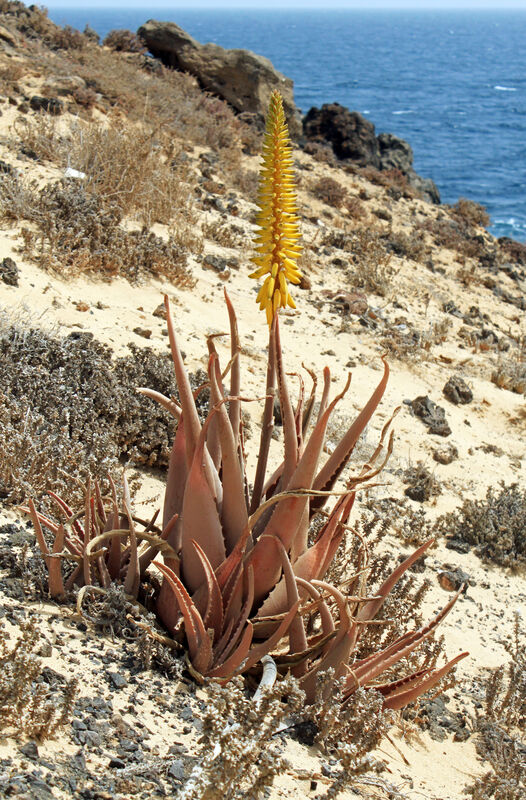
Medicine Plant
Aloe barbadensis
Aloe barbadensis -- better known as aloe vera -- is the plant that everyone's grandmother kept on the windowsill for burns, and it turns out she was right: the clear inner gel has genuine, research-backed soothing and wound-healing properties. This is one of the most useful plants you can grow, and it is also one of the most forgiving -- tolerant of neglect, drought-hardy, and nearly impossible to overwater if you give it decent drainage. Just remember that while the gel is safe for people, the whole plant is toxic to cats, dogs, and horses.
How to grow Medicine Plant
Bright to bright indirect sunlight.
Water every 2-3 weeks indoors,
Tolerates typical low indoor humidity well.
55-85°F
Well-draining sandy or gritty potting mix.
Collect and repot the offsets
Root rot from overwatering is
Fun Facts
Ancient Egyptians called aloe vera the 'plant of immortality' and used it in the embalming process, as a burial gift for pharaohs, and in Cleopatra's reported beauty routine. The Papyrus Ebers, a medical text from circa 1550 BCE, documents its medicinal uses.
Toxic to pets
Toxic to cats, dogs, and horses per ASPCA. The saponins and anthraquinones in the outer leaf and sap cause vomiting, diarrhea, and lethargy. The inner gel is considered safe for human topical and internal use in moderate amounts, but large oral doses have been linked to digestive upset and electrolyte imbalances.
Sources
- Barbados Aloe - ASPCA Toxic and Non-Toxic Plants (opens in new tab)ASPCA
- Barbados Aloe - ASPCA Toxic and Non-Toxic Plants (opens in new tab)ASPCA
- Aloe vera - Wikipedia (opens in new tab)Reference
- Aloe vera - Wikipedia (opens in new tab)Reference
- Aloe vera: A review of toxicity and adverse clinical effects - PMC / NCBI (opens in new tab)Reference
- Aloe vera: Benefits, Uses & Easy Care Guide - Gardenia.net (opens in new tab)Reference
- Aloe vera: Benefits, Uses & Easy Care Guide - Gardenia.net (opens in new tab)Reference
- The Ancient Egyptian Plant of Immortality - Real Aloe (opens in new tab)Reference
- The Ancient Egyptian Plant of Immortality - Real Aloe (opens in new tab)Reference
- Aloe vera: A review of toxicity and adverse clinical effects - PMC / NCBI (opens in new tab)Peer-Reviewed