Tropical Pitcher Plant
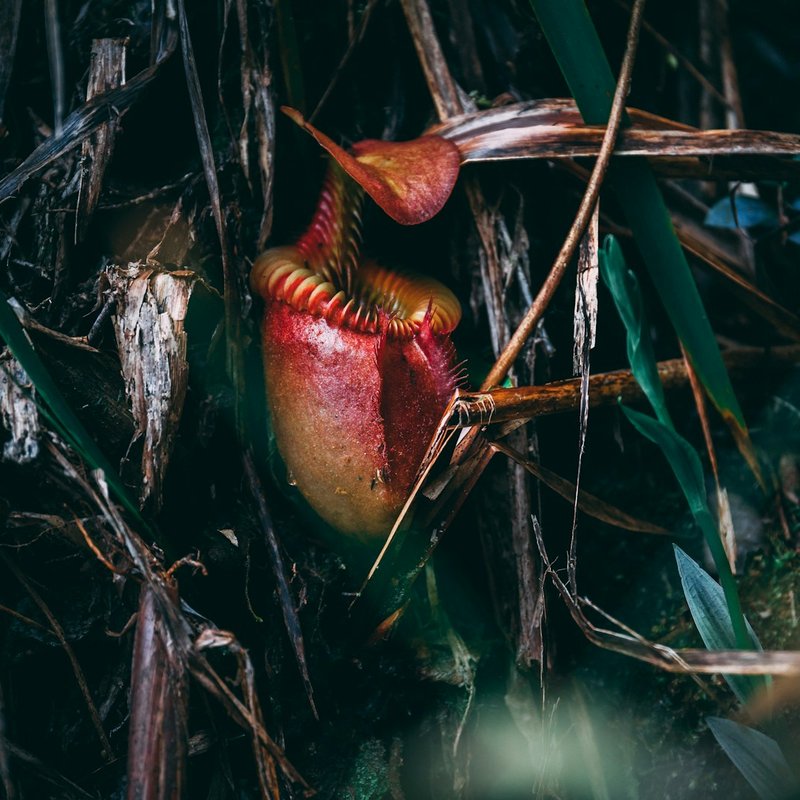
Nepenthes ventricosa
This plant catches and digests insects for food. It's as cool as it sounds! Just remember: distilled or rainwater only, and never fertilize the soil.
Buy this plant $28 Seasonal- Light
- Bright Direct
- Humidity
- 60-80%
- Temperature
- 55-80°F
Light Requirements
Bright Direct. Needs several hours of direct sun every day! A south or west-facing window with nothing blocking it is the sweet spot.
Watering
Keep the soil moist at all times with pure rainwater, distilled water, or reverse osmosis water. Regular tap water will slowly kill it. Check the pitchers too, they should have some fluid in them naturally. And despite what some guides say, this is not a bog plant. Don't let it sit in standing water!
Humidity
Target humidity: 60-80%. Get a humidifier. Seriously! Pebble trays and misting barely make a dent compared to even a cheap ultrasonic humidifier placed near the plant.
Temperature
Keep it between 55-80°F. Watch out for cold drafts from windows in winter and hot air blowing from vents. Most tropical houseplants start struggling below 55°F, and frost will kill them.
Soil and Potting
Low-nutrient and fast-draining. Regular potting soil will kill it. No fertilizer, ever! Standard mix is 50/50 long-fibered sphagnum moss and perlite. Squeeze a handful and it should feel like a moist sponge. Not dripping, not dry.
Propagation
Sterilize your scissors first! Take a stem tip with at least one node and a leaf or two, set it in barely moist sphagnum moss, and seal it in a bag or terrarium for high humidity. Rooting takes 4-12 weeks, and growth after that is slow. This is a patience project.
Common Problems
No pitchers forming, or pitchers dying before they open? Usually not enough light or humidity. Getting fungal issues? The humidity is fine but you need more air circulation. If every pitcher dies at once, check for root rot or think about what changed recently. Something spooked it.
Worth Knowing
- The nickname 'monkey cups' comes from wild monkeys drinking out of the pitchers. The fluid inside is mostly water that the plant makes itself. The digestive enzymes only kick in after something falls in. So the monkeys are fine. The bugs? Not so much.
- N. ventricosa is wildly variable. Pitcher color ranges from solid green to deep red to almost white, and the upper and lower pitchers on the same plant can look completely different!
- Heads up: a lot of plants sold as N. ventricosa are actually N. x ventrata, a hybrid with N. alata. The hybrid is tougher and way more common in nurseries. It's still a great plant, just not what the label says.
Toxicity
Non-toxic to cats, dogs, and humans! The pitcher fluid might give you a stomachache if you drink a lot of it, but that's about it.