
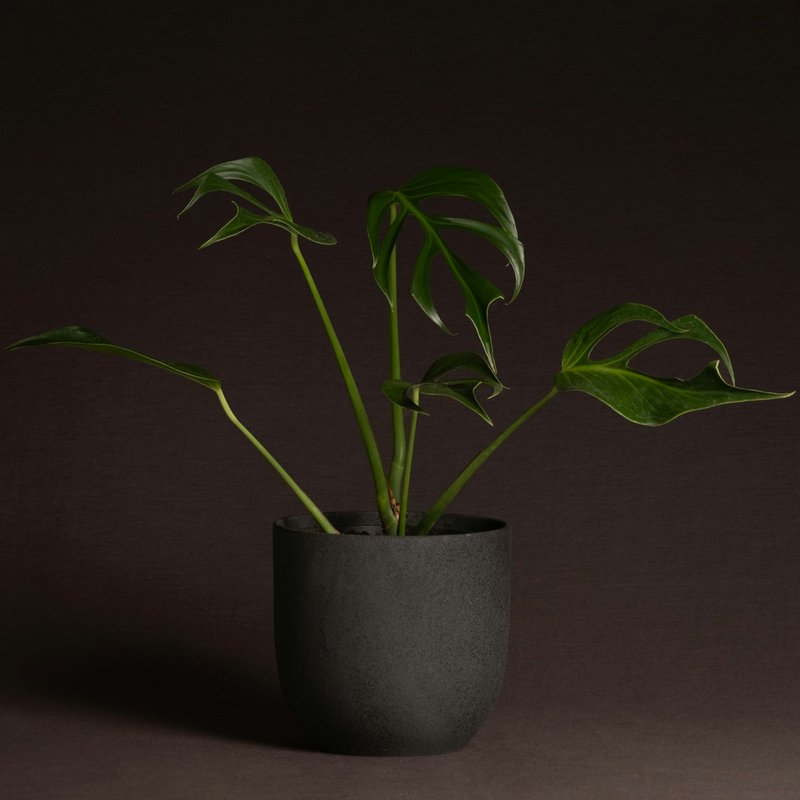
Monstera Burle Marx Flame
Monstera sp. 'Burle Marx Flame'
The fenestrations cut almost to the center of each leaf, creating those narrow flame-shaped sections the name comes from. We're propagating these now. Drop your email and we'll let you know when they're ready!
- Light
- Bright Indirect
- Humidity
- 60-80%
- Temperature
- 68-80°F
Light Requirements
Bright Indirect. Put it 3-5 feet from a south or east-facing window, out of direct sun. Direct afternoon sun will scorch the leaves!
Watering
Water when the top 1-2 inches are dry, and water thoroughly until it runs out the bottom. This one rots easier than bigger Monsteras because the root system is thinner. Yellow leaves mean too much water. Brown edges mean not enough, or low humidity.
Humidity
Target humidity: 60-80%. Get a humidifier. Seriously! Pebble trays and misting barely make a dent compared to even a cheap ultrasonic humidifier placed near the plant.
Temperature
Keep it between 68-80°F. Watch out for cold drafts from windows in winter and hot air blowing from vents. Most tropical houseplants start struggling below 55°F, and frost will kill them.
Soil and Potting
Chunky aroid mix: potting soil, perlite, orchid bark, and some coco coir. Target pH around 5.5-6.5. You want good drainage with a little moisture retention.
Propagation
Take a tip cutting with 1-2 nodes and root it in water or sphagnum moss. Fair warning: this species is a slow rooter compared to regular Monsteras. Give it 4-8 weeks before you expect much. Air layering also works if you've got a bigger stem.
Common Problems
Watch for scale insects! They look like small brown bumps on stems and leaf undersides. Wipe them off and treat with rubbing alcohol or neem oil. Mold on the soil surface means too much humidity without enough airflow. Crack a window or add a small fan nearby.
Worth Knowing
- Botanists can't actually agree on what this plant is. It's listed as Monstera sp. because nobody has confirmed whether it's its own species or a variation of an existing one. You're growing a taxonomic mystery!
- Named after Roberto Burle Marx (1909-1994), a Brazilian landscape architect who built one of the largest private tropical plant collections on earth. His farm outside Rio is now a UNESCO World Heritage Site.
- The 'flame' look comes from fenestrations that cut way deeper toward the midrib than most Monsteras. The narrow leaf sections left behind look like ribs or flames. That extreme fenestration is what collectors are after.
Toxicity
Toxic to cats and dogs. Contains calcium oxalate crystals that cause mouth irritation and stomach upset if chewed.